Miraculous effects
Exorcising evil and averting disasters: Zhao Gongming is believed to have the abilities to command lightning and thunder, summon winds and rains, and eliminate plagues and disasters. In ancient agricultural societies, these abilities provided people with psychological comfort, making them believe that in the face of the unpredictability of nature and the invasion of epidemics, there was a powerful deity who could protect them.
1.
- It served as a spiritual sustenance in a time when people had limited means to deal with natural disasters and diseases.
- People regarded him as a reliable presence to turn to during hardships.
- This power of his offered a sense of security in an uncertain world.
- It gave people the hope that they could be shielded from misfortunes.
Attracting wealth and treasures: As the God of Wealth, Zhao Gongming is believed to be able to attract wealth and bring continuous prosperity. Worshipping Zhao Gongming can help people gain wealth and have a steady stream of financial resources.
3.
- By showing respect and devotion to him, people hope to have good fortune in financial matters.
- Many people think that his blessings can lead to financial windfalls and stable income.
Fair dealing: Zhao Gongming not only helps people make profits in business activities but also ensures fair transactions, enabling people to gain and harmonize in commercial dealings.
2.
- He stands for fairness and justice in the business world, guiding people to conduct business in an ethical manner.
- His presence is seen as a guarantee for a just and prosperous business environment.
Historical background and cultural significance
The image and functions of Zhao Gongming have undergone many changes. Initially, he was a plague god, in charge of leading the ghost department and spreading plagues.
4.
- In ancient times, his role was associated with the spread of diseases and the realm of the supernatural.
- His initial form was related to the fears and uncertainties people had about plagues.
- He was part of the belief system that tried to explain and deal with the occurrence of epidemics.
- His early identity was intertwined with the concept of punitive forces in the spiritual world.
Over time, his image gradually transformed into that of the God of Wealth, and together with other gods of wealth, he was respected as the head of the "Five Ways of Gods of Wealth".
4.
- This transformation reflected the changing needs and aspirations of society, especially the growing importance of wealth and prosperity.
- The evolution of his role showed how people's values shifted towards material well-being.
- It mirrored the cultural and economic changes that took place, with wealth becoming a more prominent concern.
- His new status as the God of Wealth became an integral part of the cultural and religious landscape.
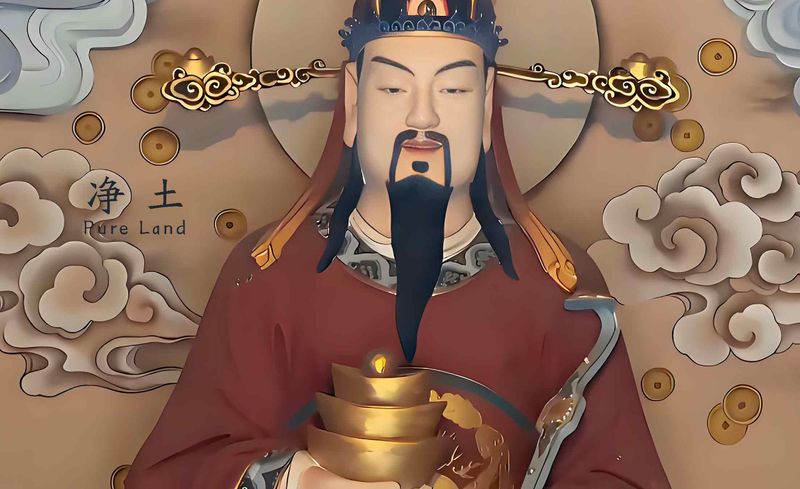
In folk beliefs, Zhao Gongming is depicted as a figure with a dark face, thick beard, riding a black tiger, and holding an iron whip and gold ingots, symbolizing dignity and wealth.
6.
- This iconic image has become deeply ingrained in the public's mind, representing both power and prosperity.
- The detailed description of his appearance conveys the admiration and longing for wealth and authority in the hearts of the people.
Specific methods and cultural customs of worshipping the God of Wealth
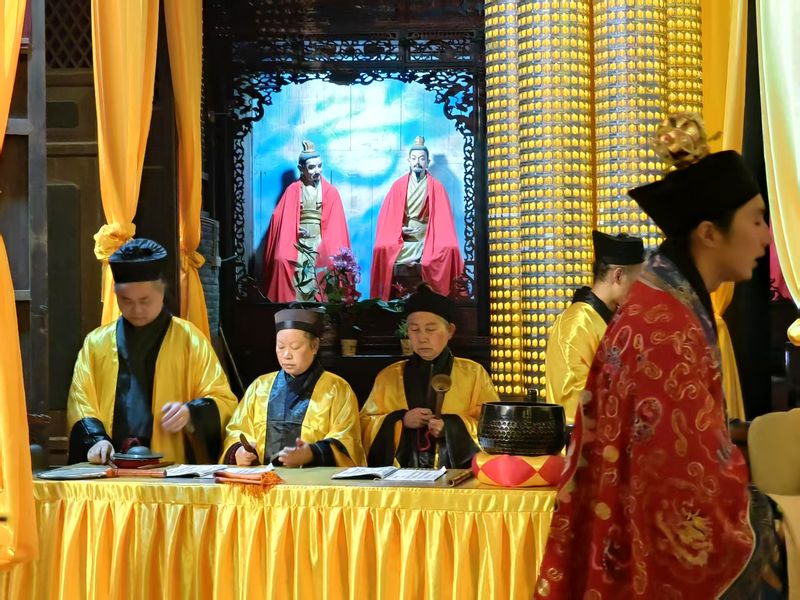
Specific methods of worshipping the God of Wealth: When worshipping the God of Wealth, one needs to be sincere, light incense, kneel and bow, and show a willingness to reform. Worshipping the God of Wealth is not only about praying for wealth but more importantly, learning the virtues of the God of Wealth and doing good deeds to accumulate virtue.
3.
- Sincerity is considered the key, as it shows respect and devotion to the deity.
- By emulating the qualities of the God of Wealth, people hope to not only gain material wealth but also inner fulfillment.
Cultural customs: The 15th day of the third lunar month every year is Zhao Gongming's birthday. On this day, people will hold various ceremonies to worship the God of Wealth and pray for good financial fortune.
3.
- These ceremonies are a way for people to express their gratitude and hopes for prosperity.
- The annual celebration has become an important cultural activity in local communities.
In addition, people also stick pictures of the God of Wealth during the Spring Festival, praying for prosperity and a rich life in the new year.
6.
- This traditional practice is a symbol of good wishes and expectations for the coming year.
- Displaying the picture of the God of Wealth during the festival adds a festive and auspicious atmosphere.